
I've owned more expensive gear, more technical gear, and certainly more impressive gear. None of it has spent more days in the woods with me than the whistle hanging around my neck.
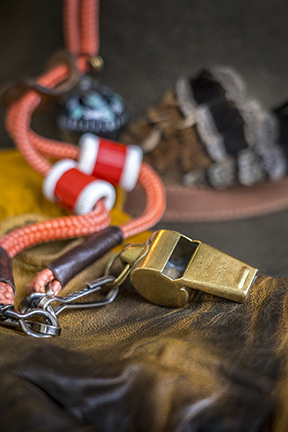
Before the dog crate door opens or a shell goes into my shotgun, I slip my whistle over my head. It's a small ritual, but one I never skip. The whistle I carry is an Acme Thunderer, a compact brass pea whistle first introduced in 1884. In a sport where traditions endure, there's something reassuring about carrying a tool that's earned the trust of generations of sportsmen. Mine hangs from a simple lanyard with a compass and game counter, and it's become as much a part of my hunting routine as my boots or game vest.
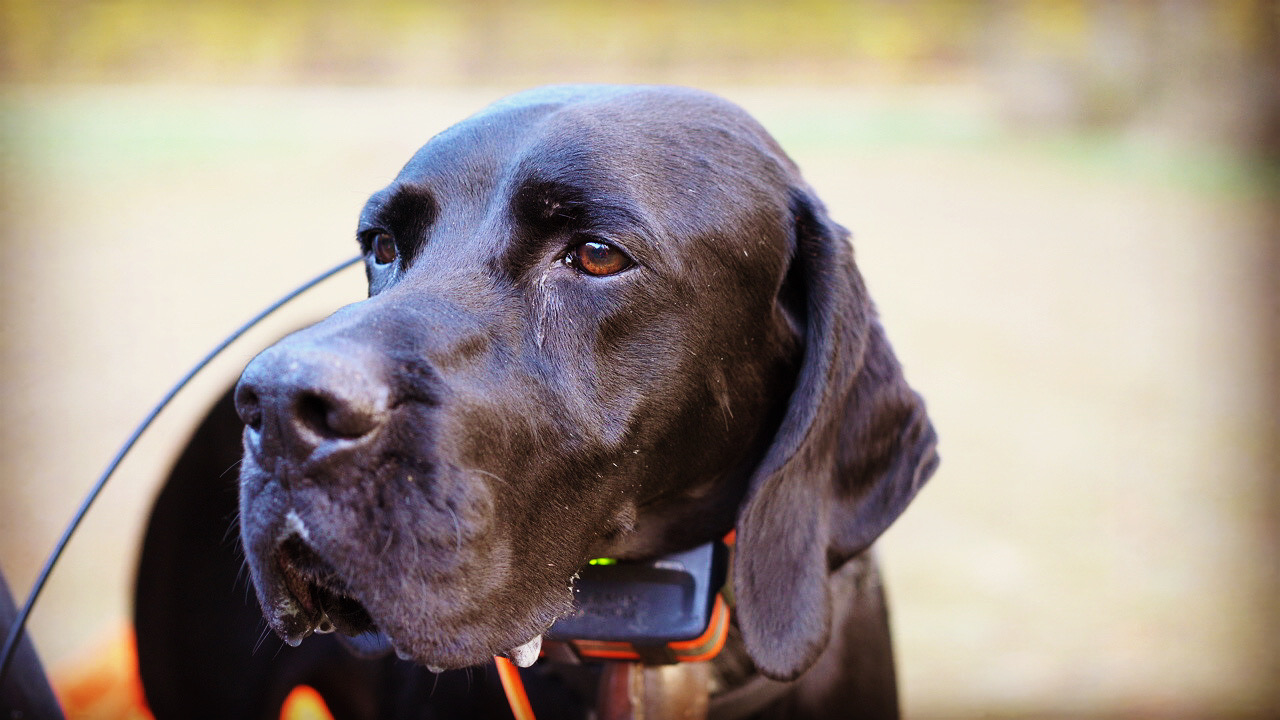
Most days, it's how I communicate with my bird dogs. A whistle carries farther than my voice and, unlike my voice, it sounds the same every time. Whether I'm excited, tired, or in a hurry, the message never changes. That consistency has become a shared language between my dogs and me.
It's also one of the simplest safety tools I carry. Three quick whistle blasts—the same as three shouts or three gunshots—is the universal distress signal. I hope I never need it for that purpose, but there's comfort in knowing something so small can matter so much.
Its only real drawback is that it demands consistency. A whistle is only effective when every command means the same thing, every time. That takes time, but once your dog understands its language, it's hard to imagine hunting without one.
I'd recommend one to anyone who spends time behind bird dogs—from someone training their first pointing dog to an experienced guide. It may weigh less than an ounce, but it's one of the most important things I carry.